



Wellness
Wellness is all about personal strengths and pursuing healthier behaviors for healing/recovery. Everyone’s wellness journey looks different! It all depends on unique needs, desires, and ideas of life.
Wellness is all about ourselves! It can be hard to put ourselves and needs first! In fact, many of us feel as if there are other things we need to do in order to reward ourselves with self-care.
Just know that self-care is not supposed to be earned! It’s something we need, like food and water!
We know self-care can feel like a process. With self-care practices, you can improve how you experience or deal with life. All of which includes holistic and alternative methods like yoga, exercise, meditation, art, journaling, eating healthy and more!
Remember that patience is key in the recovery/healing process! Please don’t rush yourself. Find coping and self-caring tips from a peer here!
“I have always loved to write, and there is something cathartic about being able to see emotions that seem so ugly in my head transform into something beautiful and relatable to others.”
“Yoga has taught me to love and appreciate the body I used to hate so much.”
What’s self-care?
Self-care is the process of establishing behaviors to ensure you do to promote health without doctors. Self care is not limited to fulfilling your needs and activities of daily living. It can make you feel better. It will help you with establishing helpful behaviors that can become routine. It is different for everyone but it’s all about:
- Finding & maintaining creative goals for good physical, mental and spiritual health
- Reducing & managing stress in healthy ways
- Meeting your emotional needs & addressing your feelings
- Developing & maintaining healthy relationships
- Finding balance in all that you do & activities in your everyday life to reach comfort, to relax & to take care of your overall well-being
Self-care can make you feel your best! It’s all about meeting your needs.
Remember that YOU come first and YOU are your first priority!

What’s spiritual health and spirituality?
Spiritual Health is a dimension of wellness that integrates all aspects of health; physical, emotional, mental, and social. It’s all about connecting to your inner and outer self to support living in personal values and purpose.
Spirituality is the art of connecting with yourself and your surroundings for internal wellbeing. It brings internal understanding of the self that can lead to self-acceptance, self-awareness, and inner peace.
Your spiritual journey is self-defined and personal.
Spiritual Practices include meditation, yoga, exploring the self, affirmations, doing things you enjoy, living by your values, shadow work, living by honesty/kindness, etc.
What Our Peers Say About their Spiritual Journey:
“I’m not involved in any religious groups. I actually left those faiths behind and have found self-acceptance in myself through my gifts. I was able to connect with my ancestors, angels, deities, the universe, and much much more.”
“For me it involves a God that loves me and accepts me for who I am. For most of my life I tried so hard to be good enough for everyone else, and the best part is that I have learned to be good enough right where I am, a work in progress.”
Read about how spirituality can impact our health here.
View research data that proves the positive impact of spiritual practices here.

“My sense of spirituality comes from a sense of wonder. For me, it has a lot more to do with appreciating my connectedness with the world around me than with a higher power.”
“Spiritual self-care practice plays an important role and has been a helpful part of my wellness and recovery. It has helped me with understanding myself and pinpointing where my addiction was coming from.”
What‘s a recovery plan?
A recovery plan is a great way to be active with and take control of your mental health! It can help you work towards your recovery goals!
A Wellness Recovery Action Plan (WRAP) can help you plan for recovery, prepare for the possibility of relapse or setbacks, and recognize when you are doing well.
You can also create an Advance Directive, a legally binding document that you and the people who support you can use to make sure your wishes are respected if you are not well.
- Click here to learn more about Advance Directive (CT)
- Click here for the Advance Directive form (CT)
WRAP and Advance Directive plans are what we find very useful!
Start your journey to wellness today!

“I’m working with my counselor on my WRAP plan, and we’re figuring my triggers, what triggers me to feel unhappy and everything.”
What‘s mindfulness? Can it help me?
We keep hearing about mindfulness from people in recovery.
Mindfulness is a way of being open and present without being judgmental about yourself (or others)! Ask yourself:
- Where do my thoughts come from?
- Who do I sound like?
- Where have I heard this?
Mindfulness helps keep things in perspective, helps with problem solving and managing symptoms. Mindfulness meditation has been shown to lower stress, reduce risk of depression, and improve sleep.

“When I am being mindful, I am able to breathe and really put things into perspective. Mindfulness allows me to keep things simple, one step at a time.”
“Yesterday I caught myself on the phone with my bank, drinking Starbucks and watching the girl I babysit show me what she made in art class. Sometimes I forget to stop and check to see how I am doing. Am I hungry? Am I angry? It’s easy to lose touch with yourself when you are running around getting your checklist done.”
Is exercise worth it?
Many people in recovery feel better when exercise is part of their daily lives!
Get those endorphins going! Send blood to your brain!
Exercise is proven to have congruent results of depression medication! It helps with:
- Some side effects of medication
- Moving & releasing stagnant emotions in the body
- Increasing your daily energy
- Managing/improving our reactions to stress
- Developing healthier coping skills in general
Check out these 5 reasons to get moving!
Start at your own pace! Walk at least 20 minutes a day! Chores count too! Try doing 20 minutes of chores. Or have a personal dance party!
Listening to music, or watching something while moving around makes the time pass by really quickly!

“Going for runs helps me get all my anger out in a positive way.”
“I got a double end speed bag to exercise and get out anger in a healthy way. It helps me manage my responses and keep my cool during intense times”
Does nutrition make a difference?
There is a “food-mood connection”. Studies show that eating well supports your mental health! It’s proven that certain foods have certain vibrations/frequencies that influence your mental health.
What you eat can have a big effect on how you feel overtime; researchers linked poorer eating habits to depression, stress, & a multitude of other mental illnesses. Click here to find out more about the correlation. If you are experiencing depression, look at what you are eating and find more out about depression and nutrition.
Also check out this great flyer by the Screening for Mental Health (SMH)- Food and Mood.
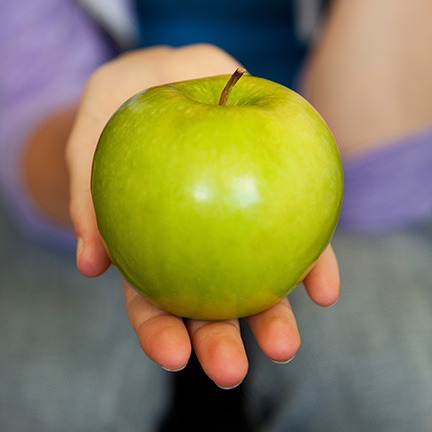
“It’s hard when those cookies are in front of me, how can you not give in? But in the long run, eating healthy makes me, and my brain, feel way better. It helps me emotionally and physically.”
What do we need to know about getting enough sleep?
Do you worry about getting enough sleep?
This is something most of us can easily relate with, especially if you have lived with anxiety or depression. Sleep deprivation can have negative effects, including:
- Limiting your ability to learn, listen, concentrate, remember stuff & solve problems.
Types of sleep disorders:
Insomnia (Inability to sleep); Sleep Apnea (Occurs when a person’s breathing is interrupted during sleep) & Narcolepsy (A condition characterized by extreme tendency to fall sleep whenever one is in a relaxing surrounding).
What can you do to sleep better?
- Set fixed bedtime & awakening time
- Avoid Caffeine and Alcohol 4-6 Hours before bed
- Exercise – but NOT right before bed
- Journal before going to bed
- Meditate/Yoga before going to bed
Click here to for more helpful hints to help you sleep.
What other coping strategies can I try?
Recovery isn’t just about what you do when you’re in session with a professional — it’s also what you do when you’re out in the world. Anything you do to help cheer yourself up, keep calm, or find comfort, is a coping skill.
Make time for fun, laughter & relaxation! It is so important to do the things that make you happy. Make time for the things that you like to do. Focus on writing, reading, music, pets, friends, and being outdoors.
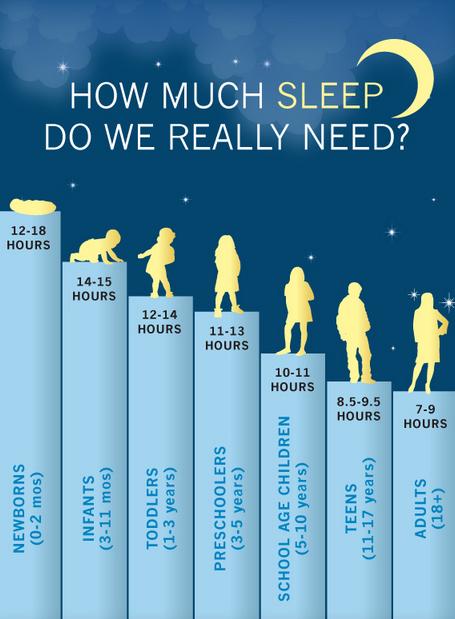
Sometimes you need a break from your daily routine. De-stress and remember to smile. Other then working out and making healthy food decisions, getting a good amount of sleep is key to your overall wellness. Aim for 8 hours! Keeping a journal, doing art therapy, or just going for a walk can help.
Watch our other recovery poetry videos
“I am now able to take my anger out with some paint, a paint brush and a canvas instead of on my self.”
“I can’t talk to my family because nobody in my family takes me seriously. So instead I always write everything down as poetry.”